
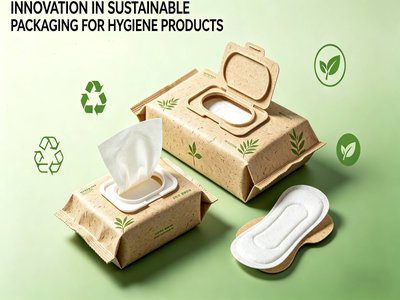
Innovation in Sustainable Packaging for Hygiene Products
The hygiene products industry is undergoing a significant transformation, with sustainable packaging emerging as a critical focus area. As environmental regulations tighten and consumer awareness grows, manufacturers and brands are increasingly prioritizing packaging solutions that are recyclable, bio-based, and designed for a circular economy. From plastic-free alternatives to paper-based innovations, the sector is witnessing a wave of new technologies aimed at reducing waste and minimizing environmental impact without compromising product safety or user experience.
One of the most significant drivers of this shift is the regulatory landscape. The European Union's Packaging and Packaging Waste Regulation (PPWR) (EU) 2025/40, which entered into force on 11 February 2025, will become applicable on 12 August 2026. This regulation aims to reduce packaging waste, harmonize rules across the single market, and create conditions for truly sustainable packaging systems. Among its key provisions, the PPWR sets requirements for packaging to be recyclable by 2030 and introduces bans on single-use packaging and materials containing PFAS from 12 August 2026. This regulatory push is prompting the entire value chain—from raw material suppliers to brand owners—to accelerate their sustainability efforts.
In response, pioneering companies are developing innovative materials that replace traditional fossil-based plastics. For example, SmartSolve has launched PureNil™ 50, a revolutionary plastic-free, 100% bio-based packaging substrate. This water-soluble, flushable material is crafted entirely from renewable resources, eliminating synthetic polymers altogether. It disperses safely in water systems without releasing harmful microplastics and offers multiple end-of-life options: consumers can recycle it with paper, compost it at home, or flush it down the drain. Designed to run on standard form, fill, and seal equipment, this innovation enables brands to transition to plastic-free packaging without sacrificing performance.
Another significant innovation comes from Zerolys, which launched Phyber in April 2026, a biomaterial made from engineered plant fibers and agricultural waste. This fossil-free material is designed for rigid packaging applications such as bottles, tubes, and jars, and is free from microplastics, petrochemicals, PFAS, and BPA. With natural wax-based barrier technology delivering high-performance properties, Phyber supports a shelf life of up to 12 months for packaged products. It is also fully biodegradable, naturally breaking down after disposal.
For liquid hygiene products such as hand soaps and lotions, PAPACKS has developed a Fibre-Bottle that is plastic-free and fully recyclable in common paper waste streams. Composed entirely of cellulose fibers, including an integrated screw-thread closure that eliminates the need for a plastic cap, this innovation achieves a full-lifespan CO2 reduction of up to 90% compared to conventional PET or HDPE bottles, without compromising on hygiene, durability, or branding flexibility.
Beyond material innovation, collaboration across the supply chain is accelerating progress. Packaging giant Mondi has partnered with Essity and Dow to develop innovative, recyclable secondary packaging for feminine care products, utilizing post-consumer recycled content and renewable materials. This collaboration aligns with Essity's packaging objectives to achieve 100% recyclable materials and utilize up to 85% biomass, renewable, or recycled material across its packaging portfolio.
The development of paper-based alternatives is also gaining momentum. Paptic Ltd has developed a new sustainable packaging material for the hygiene and intimate care sector based on renewable wood fibers that is easily recyclable. Additionally, water-soluble materials are gaining attention for applications like flushable wipes and hygiene products, offering a convenient way to reduce waste.
Furthermore, companies like Ecotec Global are creating fully and truly biodegradable materials for making compostable disposable products in medical, personal care, and hygiene industries, including bags, masks, gowns, and other non-woven products. These innovations are certified by SGS and Intertek to show full biodegradation in both aerobic and anaerobic conditions without leaving harmful microplastics behind.
As the August 2026 deadline for the PPWR's application approaches, the momentum behind sustainable packaging is set to intensify. For manufacturers and brands in the hygiene industry, staying ahead of these trends is not just a matter of compliance—it's a strategic imperative that can enhance brand reputation, meet evolving consumer expectations, and contribute to a healthier planet.